

Complete set project for activated carbon flue gas injection and conveying, Zunyi, Guizhou
In a large industrial enterprise in Zunyi, Guizhou, the activated carbon flue gas injection conveying system is the core link in the environmental desulfurization and denitrification process. However, traditional conveying methods have long faced issues such as material blockages, large metering deviations, and frequent maintenance, which directly affect flue gas purification efficiency and equipment operational stability. To address these practical challenges, Head Powder, leveraging years of pneumatic conveying technology, has tailored a complete activated carbon flue gas injection conveying project for the company, addressing key pain points in material handling.
Customer needs and core pain points
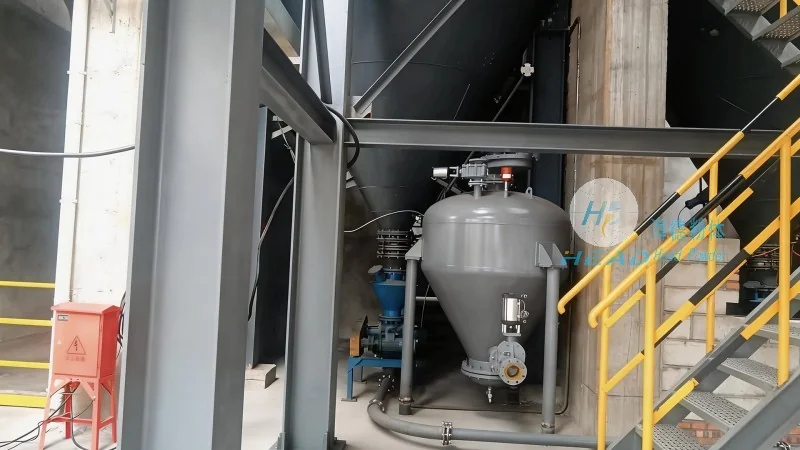
The company's original activated carbon injection system used simple mechanical conveying, which caused activated carbon powder to easily become damp and caking inside the pipeline, causing interruptions in transportation; At the same time, the fluctuation in injection volume exceeds 15%, making it difficult to match changes in flue gas conditions, resulting in waste or excessive emissions of desulfurizers. In addition, manual inspections and cleaning are frequent, and equipment failure rates remain high for a long time, severely restricting the continuous operation of production lines.
Solutions and technical advantages
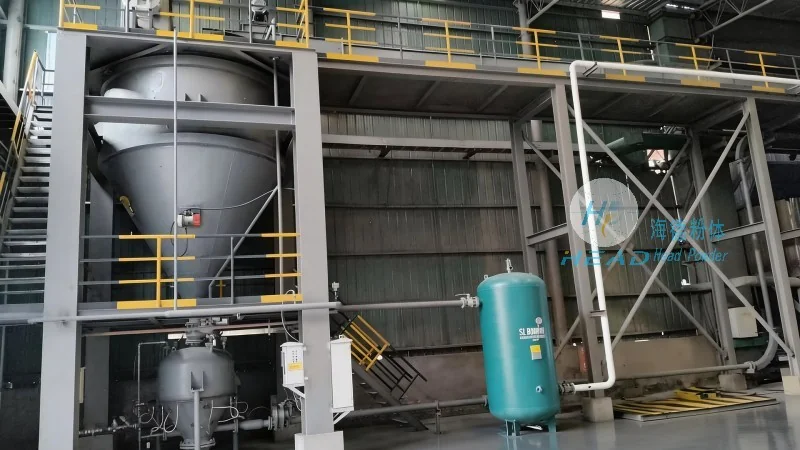
Head Powder's activated carbon flue gas injection and conveying complete project combines low-pressure continuous pneumatic conveying technology with high-precision weighing and metering modules. The entire system consists of a sealed storage tank, air source processing unit, delivery pipeline, intelligent injector, and PLC control cabinet. By optimizing fluidization and anti-clogging design, activated carbon powder remains uniformly suspended in the pipeline, eliminating deposition and bridging phenomena. The automatic control system adjusts the injection volume in real time based on online flue gas monitoring data, keeping desulfurization efficiency stable within the target range while reducing the need for manual intervention.
Application effectiveness and customer feedback
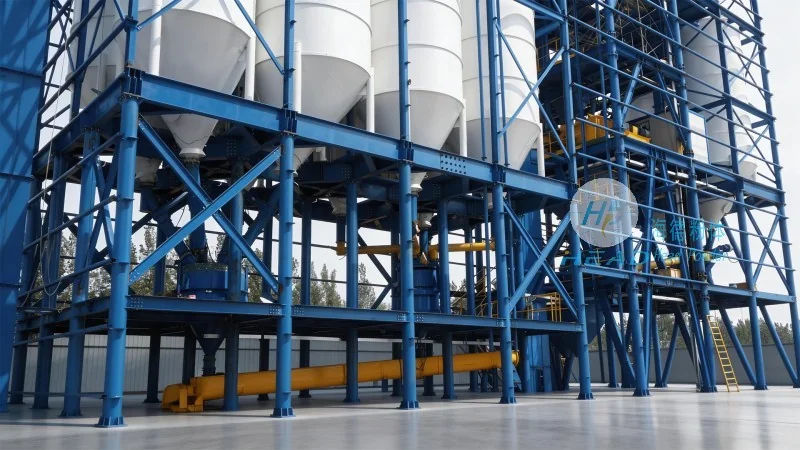
After the project was put into operation, the stability of activated carbon transport improved, with injection volume fluctuations controlled within ±3%; The system has operated continuously for over 6 months without blockages or shutdowns; Maintenance workload is reduced by about 70%. The client stated that this equipment not only supports compliance with environmental emission standards but also reduces overall operating costs, providing a reliable technical reference for similar flue gas treatment projects.