

Case Study of Dust-Free Pneumatic Conveying of Ammonium Phosphate Powder in Chengdu, Sichuan
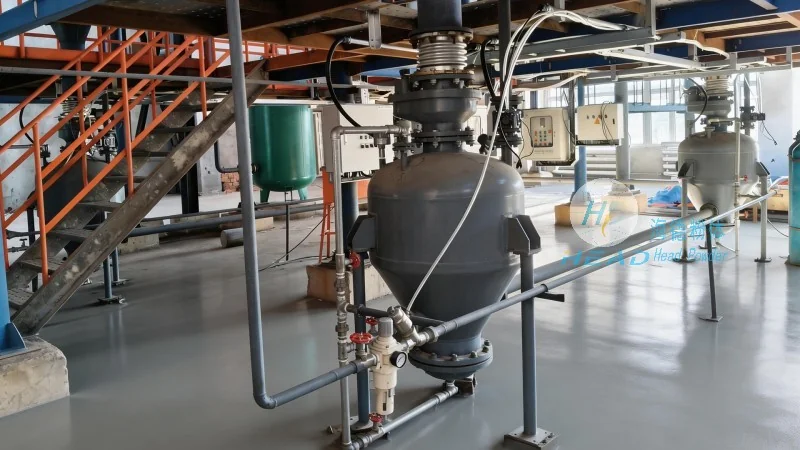
This project is located in Chengdu, Sichuan, and has designed and implemented a dust-free pneumatic conveying system for ammonium phosphate powder materials. This conveying solution uses pneumatic conveying methods, enabling efficient and clean transfer of powder materials within sealed pipelines, effectively avoiding dust leakage issues found in traditional conveying methods. After project completion, both conveying efficiency and environmental protection indicators met customer expectations, providing a practical case study for conveying similar powders.
Customer pain points
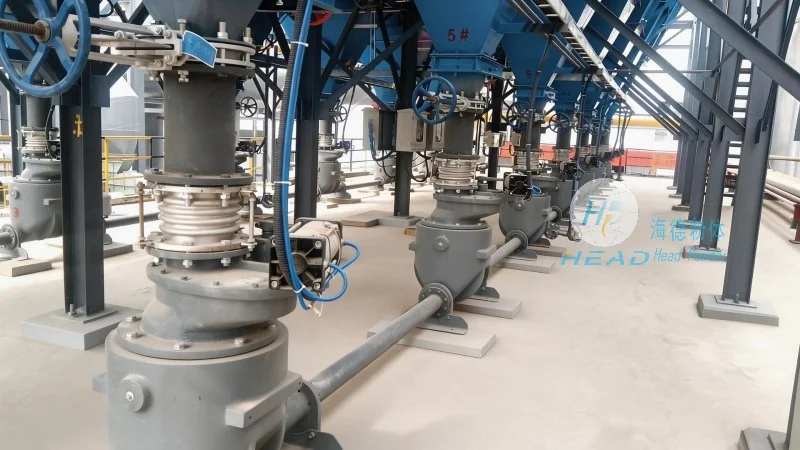
During the production and transportation of phosphorus ammonium powder, customers face the following challenges: First, materials are easily dispersed, and the dust concentration at the work site is high, which not only increases raw material waste but also poses health risks to operators; Second, traditional mechanical conveying equipment (such as belt conveyors and bucket lifters) suffer from material residues, difficult cleaning, and rapid equipment wear, resulting in high maintenance costs; Third, customers have strict requirements for environmental compliance. The original conveying methods can no longer meet increasingly stringent dust emission standards, urgently requiring a stable, sealed, and highly automated conveying solution.
Product advantages and solutions
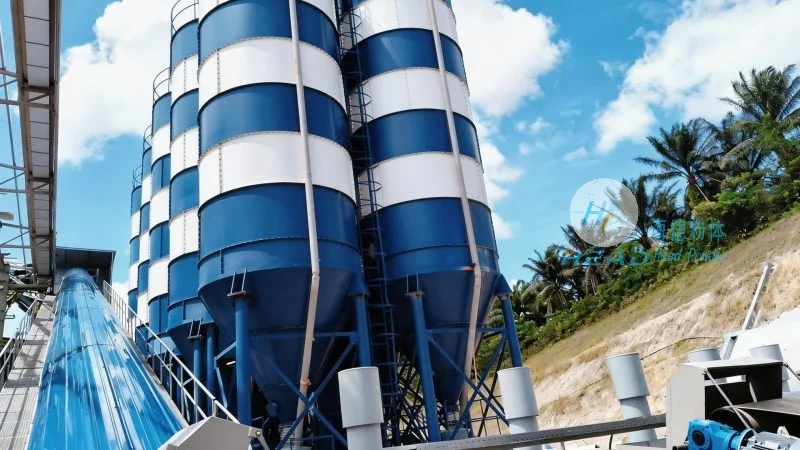
To address these pain points, this solution adopts a positive pressure sealed pneumatic conveying system. Ammonium phosphate powder is fed into the conveyor pipeline through an automatic feeding device, using compressed air as the power source to flow the material through a sealed pipeline to the target location. The key advantages of the system are as follows:
- Dust-free and environmentally friendly: Fully enclosed conveying with high-efficiency dust removal and filtration devices, dust emission concentrations below industry limits, improving workshop environment;
- Low loss and high efficiency: Materials are transported within the pipeline without mechanical component contact, reducing material damage and waste, while conveying efficiency can exceed 8 tons per hour; li>
- Intelligent control: Equipped with PLC automatic control system to monitor conveying pressure, material level, and other parameters in real time, supports remote commissioning and fault alarms, reducing manual operation intensity;
- Reliable structure: The pipeline uses wear-resistant alloy steel, with thickened bends to extend service life, and maintenance intervals more than three times longer than traditional equipment.
After the solution was put into operation, dust concentration at the customer's site dropped by about 90%, comprehensive material loss decreased by 5%, and equipment maintenance frequency decreased from twice a month to once per quarter, resolving the conflict between environmental protection and efficiency.