

Pneumatic conveying solution for emulsifier powder
During the production and use of emulsifier powders, enterprises place high demands on the stability, sealing, and automation of the conveying process. Traditional manual feeding or mechanical conveying methods often face problems such as dust leakage, material clumping, equipment blockages, and high batch loss, which not only affect production efficiency but also increase workshop cleaning and maintenance costs. In addition, issues such as differences in powder flowability, static accumulation, and discharge precision control have long restricted the reliability of continuous production line operation.
Material characteristics
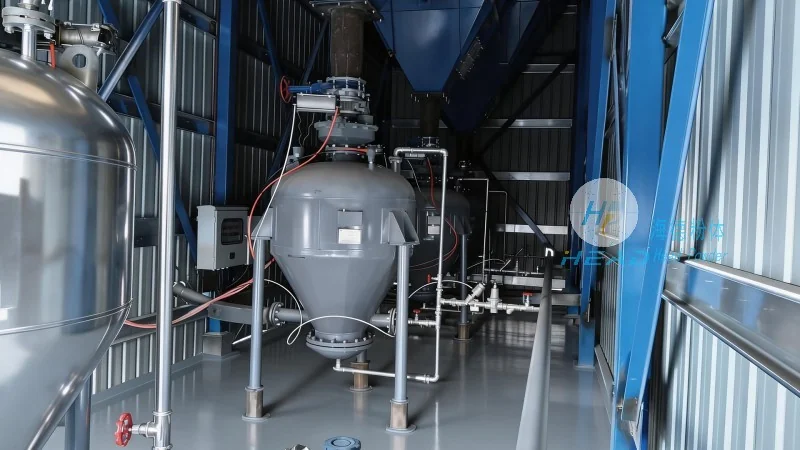
Emulsifier powders typically have fine particle size, low density, strong hygroscopicity, or are prone to bridging. Some materials also have typical adhesion or need to be transported in a sealed environment to avoid moisture and spoilage. This type of powder places high demands on the sealing of the conveying system, its anti-clogging capability, and uniform conveying speed.
Product Introduction
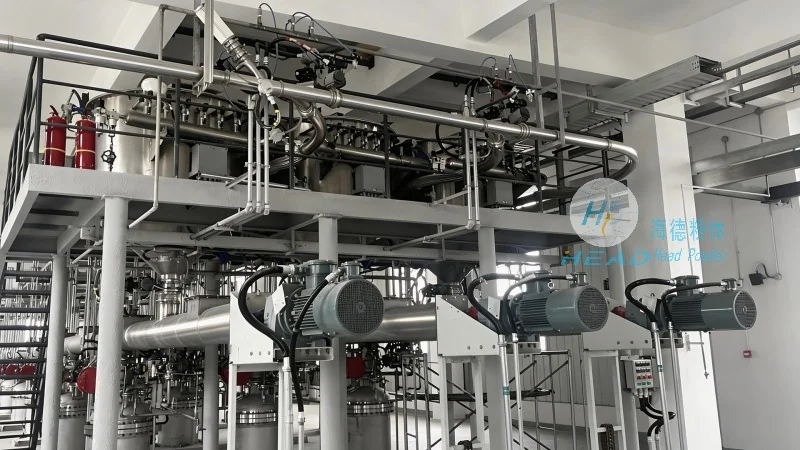
Head Powder offers modular pneumatic conveying system solutions tailored to the characteristics of emulsifier powders. This system uses positive or negative pressure airflow to transport powder materials through sealed pipelines to the workstation, achieving full automation from feeding and weighing to the finish line. The core components of the system are designed to be wear-resistant and anti-static, and can be optionally equipped with arch-breaking devices, filters, pneumatic distributors, and other components according to material characteristics to suit different production line layouts and capacity requirements.
Product advantages
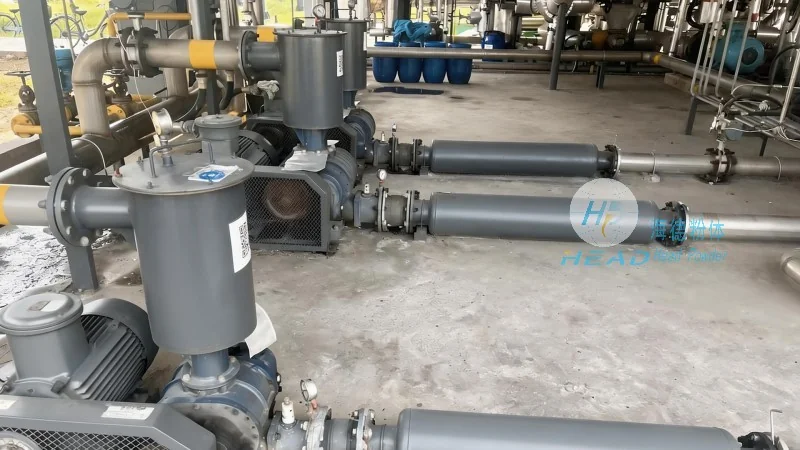
To address customers' pain points in dust control, conveying stability, and production continuity, Head Powder's solutions offer the following advantages: fully enclosed system operation, effectively reducing dust leakage and improving the workshop environment; Equipped with intelligent control devices to accurately control conveying speed and discharge volume, reducing batch loss; Optimized pipeline design and added anti-blockage structures for materials prone to blockage to support operational reliability and ease of maintenance. The overall solution can be customized according to the customer's site, adapting to new or renovated production lines to reduce overall operating costs.