

Pneumatic asphalt powder conveying solution
During storage, transportation, and feeding, asphalt powder easily generates dust, causing environmental pollution and raw material waste; At the same time, traditional manual or mechanical conveying methods are inefficient, prone to pipeline blockages and rapid equipment wear, seriously affecting production continuity and workshop safety. Many companies face difficulties such as high environmental compliance pressure, high maintenance costs, and low levels of automation.
Material characteristics
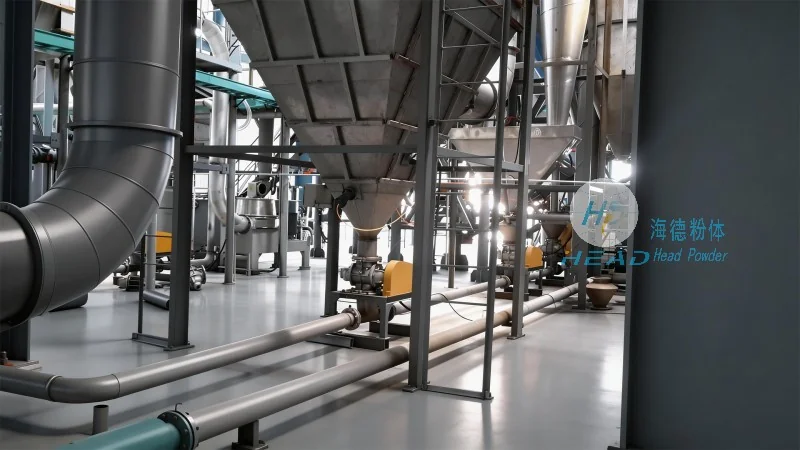
Asphalt powder is a fine powder with small particle size and low density, characterized by strong adhesion, poor flowability, and easy moisture absorption and caking. During conveying, there are high requirements for sealing, explosion prevention, and material-gas ratio control, making it difficult for conventional conveying equipment to meet stable and efficient operational needs.
Product Introduction
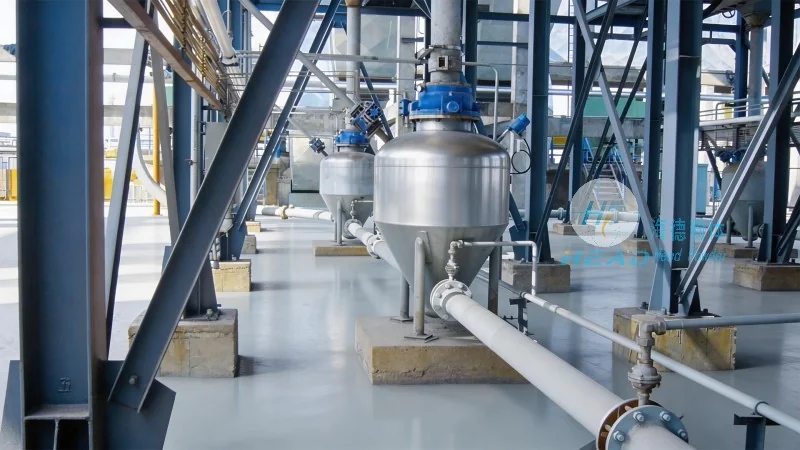
The asphalt powder pneumatic conveying system provided by Head Powder uses the principle of dense phase transport under positive or negative pressure, specially designed for high-viscosity and dust-prone powders such as asphalt powder. The system integrates sending tanks, rotary feeders, dust collectors, and intelligent control systems to achieve fully enclosed, automated conveying from raw material storage to usage points, helping enterprises improve environmental protection and production efficiency.
Product advantages
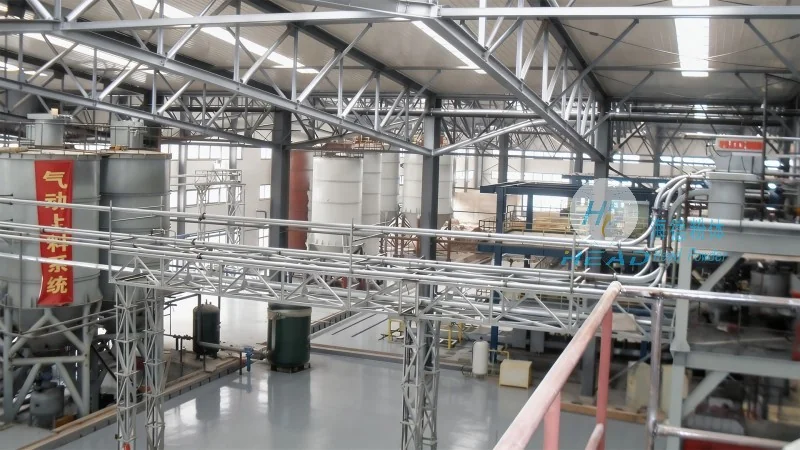
To address customer pain points, this solution offers the following core values: fully enclosed pipeline transportation to prevent dust leakage from the source, meeting environmental protection requirements; Uses a low-velocity, high-concentration conveying process to reduce pipeline wear and material damage; Equipped with an automatic back-blowing blocking device, effectively addressing the problem of asphalt powder sticking to walls; The intelligent control system monitors pressure, material level, and flow in real time, enabling unmanned operation and saving labor and maintenance costs.