

Gansu Baiyin slaked lime explosion-proof pneumatic conveying project
In Baiyin, Gansu, a company introduced an explosion-proof pneumatic conveying system to address the safety and efficiency issues in traditional conveying processes to meet the pneumatic conveying needs of slaked lime materials.
Case Summary
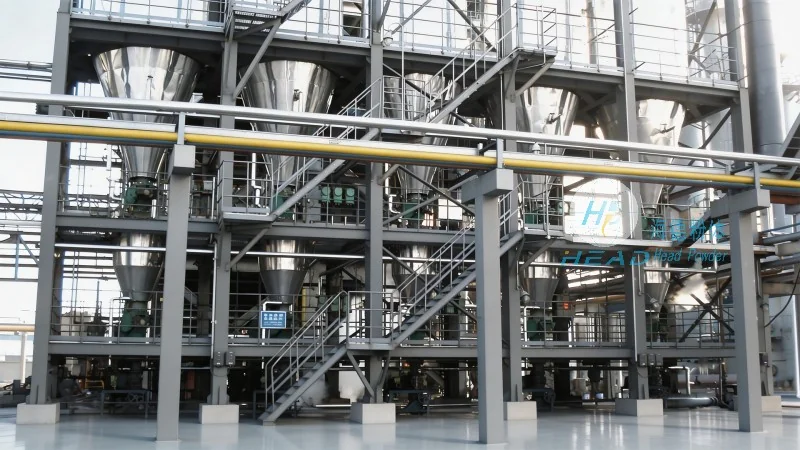
This project is located in Baiyin, Gansu, and mainly serves local slaked lime production and processing enterprises. Because slaked lime is highly alkaline and prone to dust, and the conveying environment carries potential explosion risks, enterprises need a safe, stable, and low-consumption explosion-proof pneumatic conveying solution. Head Powder has customized a positive pressure dense phase pneumatic conveying system for the company, achieving fully enclosed and automated conveying from the raw material silo to the point of use.
Customer pain points
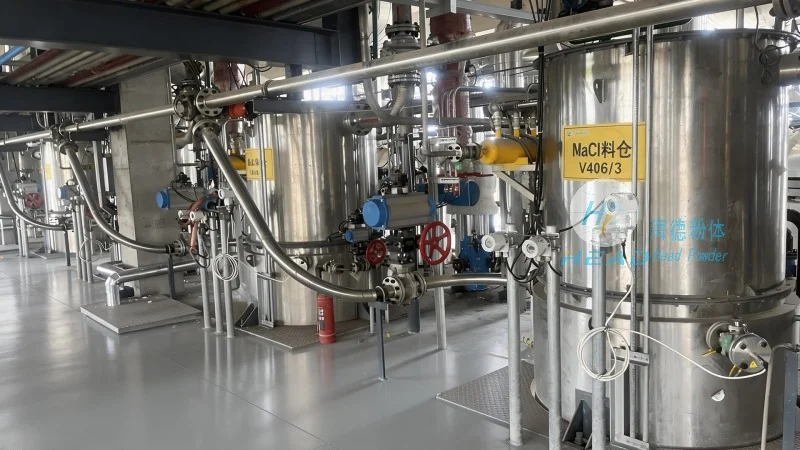
Customers face the following prominent issues in actual production: First, slaked lime dust easily accumulates static electricity during transportation, posing an explosion hazard; 2. Traditional mechanical conveying equipment is prone to wear and clogging, resulting in high maintenance costs; 3. Manual operations cause dust leakage, polluting the workshop environment and threatening employee health; 4. Unstable conveying efficiency, making it difficult to meet the demands of continuous production.
Product advantages
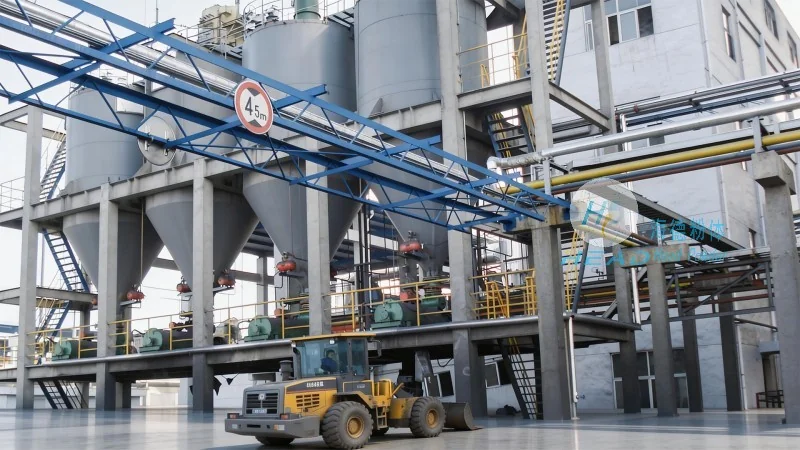
To address these pain points, Head Powder's solution features the following features: explosion-proof design, equipped with explosion-proof electrical components and electrostatic grounding devices to reduce explosion risk from the source; Wear-resistant pipes and dedicated elbows are selected to reduce material impact and wear on equipment; Fully enclosed pipelines combined with efficient dust removal interfaces enable dust-free conveying operations and improve the working environment; Through an intelligent control system, conveying parameters are adjusted in real time, helping to maintain stable and reliable flow and improve overall production efficiency. After the system was put into operation, customers reported smooth equipment operation, reduced failure rates, and on-site dust concentrations meeting industry standards.