

Pneumatic alumina conveying solution
During transportation, alumina powder often faces issues such as dust pollution, material waste, severe pipeline wear, and unstable production line efficiency. Traditional mechanical conveying methods struggle to cope with the high wear and moisture-absorbing characteristics of materials, resulting in frequent equipment maintenance and high operating costs. At the same time, different production processes have significant differences in conveying distance, volume, and sealing requirements. General equipment struggles to match actual working conditions, urgently requiring a customizable pneumatic conveying system to improve efficiency and reduce overall costs.
Material characteristics
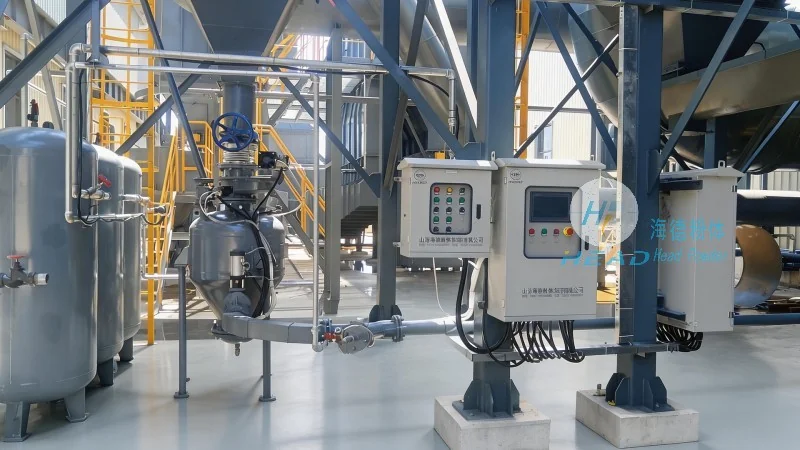
Alumina is a high-hardness, highly abrasive powdery material with moderate density, average flowability, and obvious moisture absorption. During transportation, materials easily clump and clog pipelines, causing continuous wear on the inner walls of equipment. Therefore, conveyor systems need to have good sealing, moisture resistance, and wear-resistant designs to ensure continuous operation.
Product Introduction
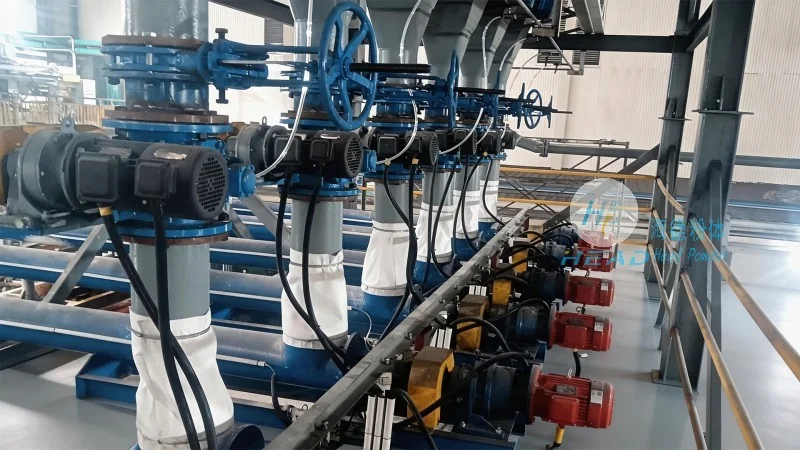
Head Powder's pneumatic alumina conveying solution targets the physical properties of alumina powder, using multiple conveying methods such as positive-pressure dense phase or negative pressure dilute phase, customizing a fully enclosed conveying system from the raw material silo to the point of use. The equipment includes wear-resistant elbows, dedicated rotary feeders, high-efficiency air supply devices, and intelligent control systems, which help ensure smooth material transport in closed pipelines, effectively preventing dust and moisture issues. The system can be flexibly designed according to site space, conveying distance, and capacity requirements, suitable for industries such as electrolytic aluminum, ceramics, and chemicals.
Product advantages
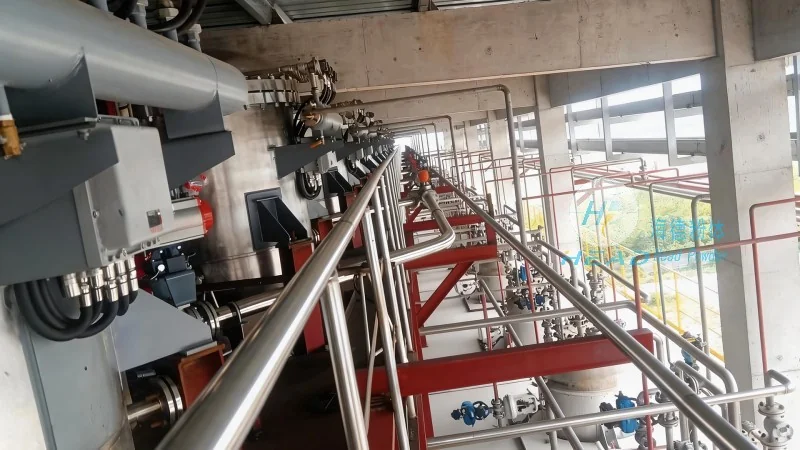
To address customer pain points, Head Powder has strengthened the following measures in its plan: using fully enclosed conveyor pipelines to achieve zero dust emissions; Using high-wear-resistant alloys or ceramic liners to extend equipment lifespan; Equipped with variable frequency adjustment and automatic control modules to adjust conveying speed and pressure as needed, reducing energy consumption; It also offers modular design for easier later expansion or adaptation to different production lines. These designs address challenges such as wear, clogging, and high energy consumption during alumina conveying, helping customers achieve clean and efficient material transfer.