

Pneumatic conveying solution for coffee grounds
During coffee powder production and processing, enterprises often face challenges such as material clumping, high wastage loss, low manual handling efficiency, and high risk of cross-contamination. Traditional conveying methods not only cause the loss of coffee grounds aroma and quality decline, but also increase the difficulty of subsequent cleaning and maintenance, directly affecting production capacity and cost control.
Material characteristics
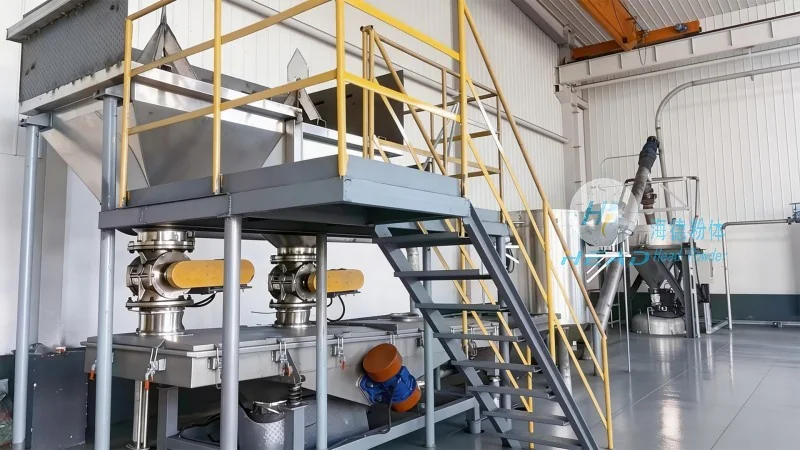
Coffee powder is a lightweight, fine-grained material, with particle sizes usually between 0.1-0.5mm, low density, and prone to static electricity that adsorbs onto the tube wall. At the same time, coffee grounds are highly hygroscopic, sensitive to changes in temperature and humidity, and contain natural oils that are prone to oxidation and spoilage. Therefore, the conveying process requires strict sealing, moisture prevention, and contamination prevention, while minimizing mechanical impact to maintain powder integrity.
Product Introduction
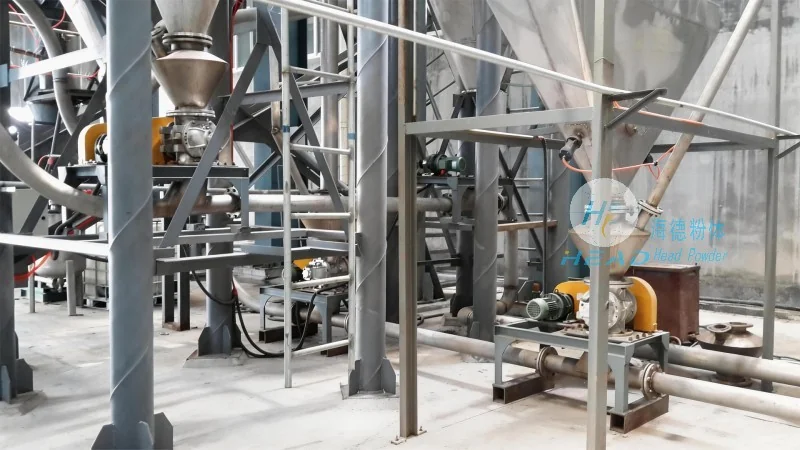
The pneumatic conveying system for coffee powders launched by Head Powder is specially designed for light powdered materials such as coffee grounds. The system uses sealed pipelines for positive or negative pressure conveying, ensuring no dust leakage throughout, effectively preventing moisture, oxidation, and odor contamination of materials. The equipment is equipped with a high-efficiency gas-solid separation device and intelligent control module, achieving fully automated operation from feeding to terminal reception, compatible with various process nodes.
Product advantages
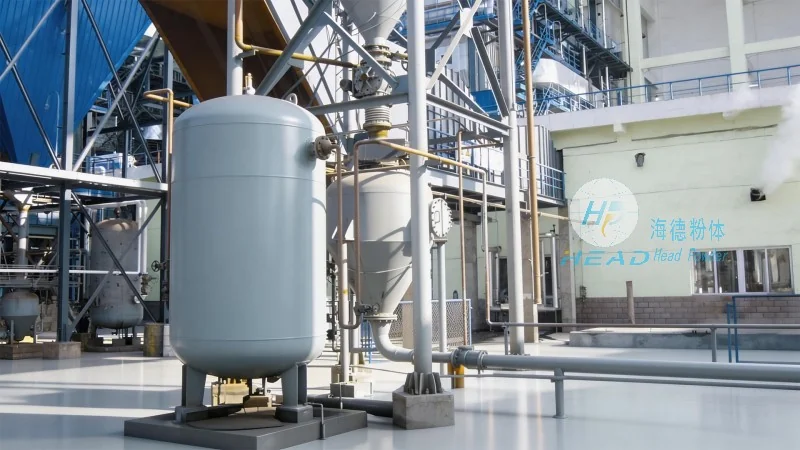
To address pain points in coffee powder conveying, Head Powder offers customized solutions: pneumatic conveying systems can reduce manual intervention and improve efficiency; Sealed design prevents material drift and cross-contamination, preserving the original flavor of the coffee grounds; By adjusting gas velocity and pipeline parameters, the powder breakage rate is kept at a low level; The system supports modular expansion and remote monitoring to meet different production capacity and cleanliness requirements.