

Pneumatic conveying solution for ultrafine Chinese medicine powder
During the production and transportation of ultrafine Chinese medicine powder, enterprises often face issues such as environmental pollution caused by dust swirling, high material loss, significant risk of cross-contamination, and low manual operation efficiency. Traditional conveying methods struggle to meet GMP clean production requirements, and ultrafine powder tends to agglomerate and adsorb, causing pipeline blockages and inaccurate measurement, seriously affecting production continuity and product quality.
Material characteristics
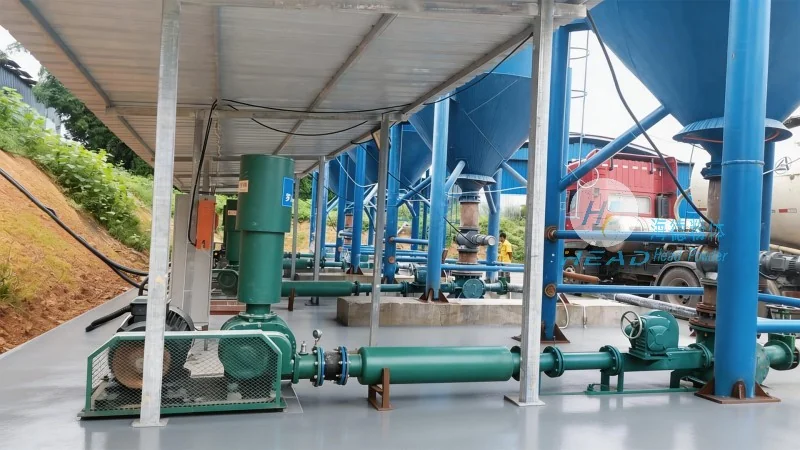
Traditional Chinese medicine ultrafine powder features small particle size (usually 10~75μm), low density, poor fluidity, strong hygroscopicity, and significant static accumulation. Some powders are also sticky or prone to oxidation, requiring high sealing, temperature and humidity control, and explosion-proof protection during transportation. These characteristics make conventional mechanical conveying methods unsuitable, requiring specialized pneumatic conveying systems.
Product Introduction
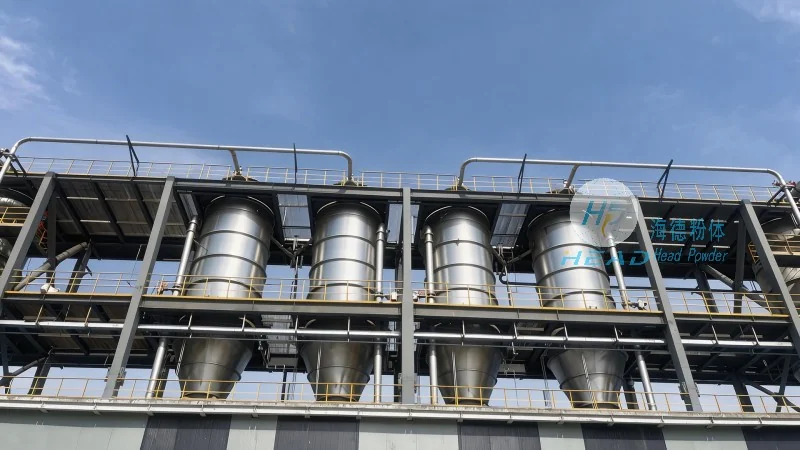
The Chinese medicine ultrafine powder pneumatic conveying system provided by Head Powder is a customized solution independently developed to address the above material characteristics and industry pain points. The system uses sealed pipeline conveying and uses compressed air or inert gas as the power source, achieving full-process automation from powder storage and distribution to weighing and feeding. The core components of the equipment include Venturi ejectors, rotary feed valves, pneumatic conveying pumps, high-efficiency dust collectors, and PLC control modules, which can seamlessly connect with existing production lines and support various conveying distances and capacity requirements.
Product advantages
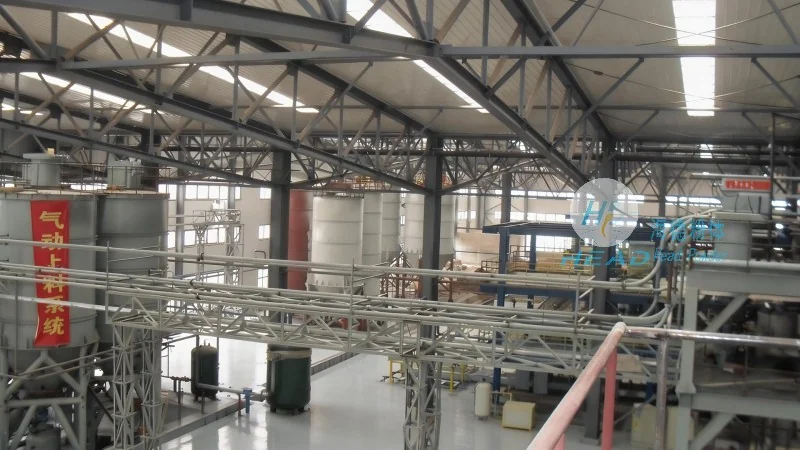
To address customer pain points, Head Powder provides solutions through the following technical measures:
1. Fully sealed conveying to prevent dust leakage, meeting GMP cleanliness requirements;
2. Uses anti-static and corrosion-resistant materials and a special fluidized structure to prevent material blockage and agglomeration;
3. Equipped with high-precision weighing and flow monitoring systems to achieve relatively accurate metering and batch control;
4. Modular design and intelligent control reduce manual intervention, improve efficiency, and lower operation and maintenance costs.