

Example of explosion-proof negative pressure dilute phase conveying of lithium battery powder in Xi
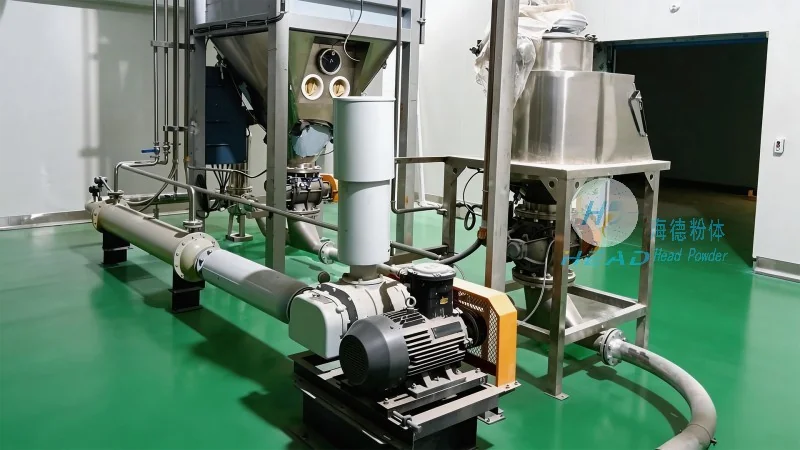
A lithium battery material manufacturer in Xining, Qinghai faces dual challenges in the cathode and anode powder conveying process, including a high-dust environment and flammable, explosive materials. The company's original conveying equipment had issues such as insufficient sealing, serious dust leakage, and low conveying efficiency, urgently requiring a powder conveying system that balances safety and stability.
Customer pain points
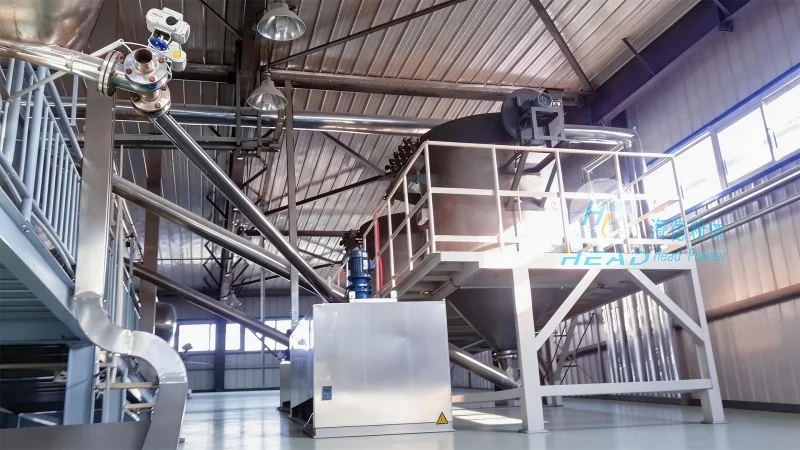
Lithium battery powder (such as lithium iron phosphate, ternary materials, etc.) are flammable and explosive materials. Traditional mechanical or positive pressure pneumatic conveying can easily lead to static electricity accumulation and dust cloud explosion risks; At the same time, materials are prone to dust generation during transportation, causing raw material waste and environmental pollution; In addition, the complex layout of the on-site pipelines and the presence of long-distance, multi-curve conveying conditions place high demands on the system's anti-blockage and continuous operation capabilities.
Product advantages
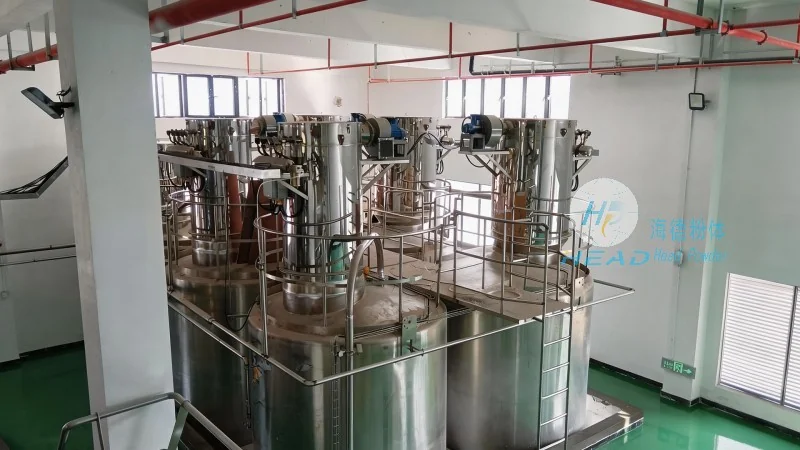
Head Powder customized an explosion-proof negative pressure dilute phase pneumatic conveying system for the company. The system uses a negative pressure enclosed conveying method, ensuring no dust leakage throughout the process, eliminating explosive dust environments from the source; Key components include explosion-proof valves, conductive hoses, and reliable electrostatic grounding devices, combined with the vent vent design to create multiple safety protections. The dilute phase conveying mode transports materials at lower airflow speeds, effectively reducing the risk of particle collision and breakage, which helps with powder morphology and activity. At the same time, for the complex pipeline routing on site, the system is equipped with intelligent pressure monitoring and automatic blockage clearing functions, helping stable and reliable conveying over long distances and on multiple curves, reducing overall energy consumption by about 20% compared to before the renovation.