

Pneumatic conveying solution for graphite powder
Graphite powder often faces challenges such as dust buildup, environmental pollution, and significant material loss during traditional conveying processes. Manual feeding efficiency is low and poses occupational health risks. Additionally, graphite powder easily absorbs moisture and clumps, leading to pipeline blockages and equipment wear, seriously affecting production continuity. Enterprises urgently need an efficient, sealed, and automated conveying solution to replace manual operations and reduce overall costs.
Material characteristics
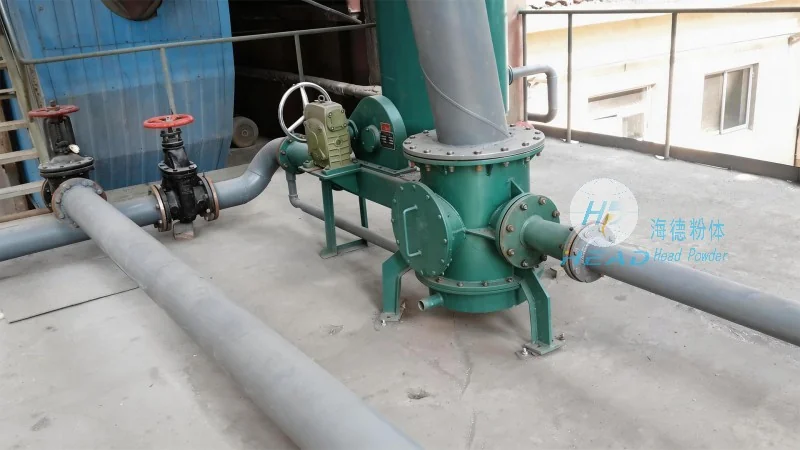
Graphite powder has characteristics such as low density, fine particle size (usually 200 to 1000 mesh), easy to fly, wearable, highly hydrophilic, and prone to moisture absorption. Their fluidity varies greatly and should be optimized according to specific particle size, carbon content, and humidity. Using ordinary pneumatic conveying equipment directly can easily cause pipe blockages, dust collection, or even explosion hazards, so high requirements for system sealing, corrosion resistance, and explosion prevention are required.
Product Introduction
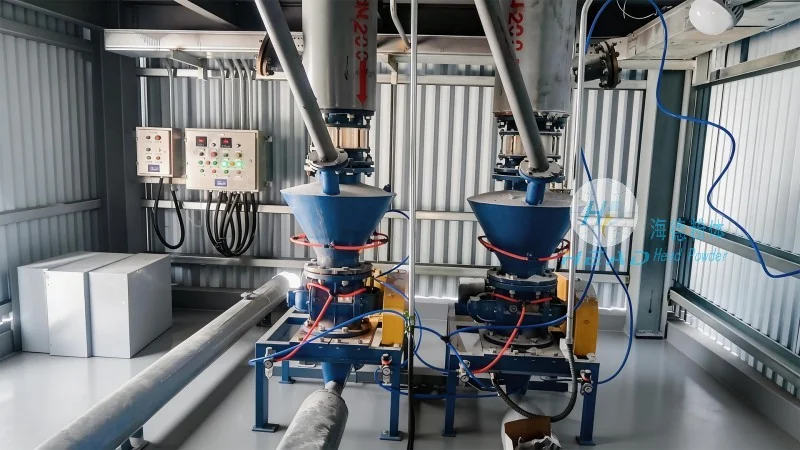
Head Powder provides customized pneumatic conveying system solutions tailored to the physicochemical properties of graphite powder. This system uses either positive-pressure dense phase or negative pressure dilute-phase conveying methods, with a fully enclosed pipeline design to achieve dust-free transfer from raw material storage to production equipment. The system includes feeders, conveying pipelines, separation equipment, dust removal devices, and intelligent control systems. It can be modularly combined according to user site layout, conveying distance, and capacity requirements, helping to maintain stable fluidity of materials during conveying and reducing damage and dust.
Product advantages
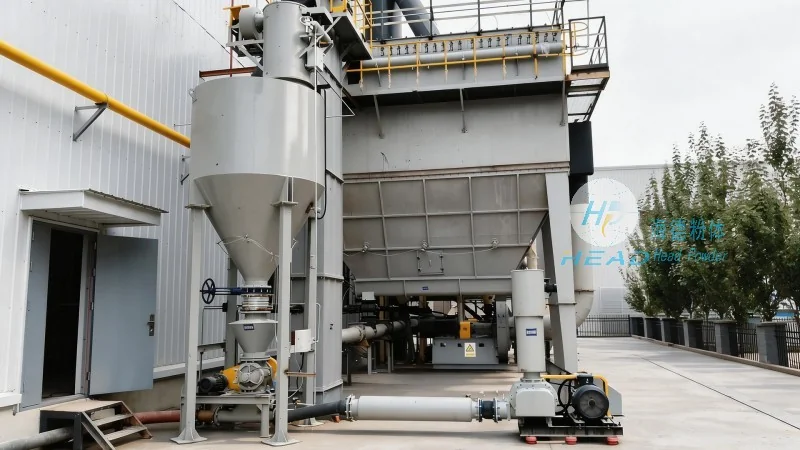
To address customers' pain points in environmental protection, efficiency, and loss, the Head Powder Graphite Pneumatic Conveying System offers the following advantages:
1. Sealed conveying: Fully enclosed pipelines combined with high-efficiency dust collectors effectively control dust, meet environmental emission standards, and improve the workshop working environment.
2. Low-loss design: Optimizes runner curvature and material flow velocity to reduce impact wear of graphite powder on the pipe wall, with material breakage rate controlled within 1%.
3. Anti-blockage Adaptation: Uses anti-caking silo fluidization devices and intelligent blockage clearance programs to solve graphite powder moisture absorption and bridge construction issues, supporting continuous normal operation.
4. Automated control: Integrates PLC and host computer systems, supporting remote monitoring, variable frequency regulation, and fault alarms, reducing manual intervention frequency and improving overall production efficiency.