

Pneumatic glass powder conveying solution
In the production, transportation, and feeding stages of glass powder, traditional manual handling or simple mechanical conveying often faces issues such as severe dust leakage, significant material loss, frequent pipeline blockages, and rapid equipment wear. The workshop environment is difficult to clean, operator health is threatened, and low conveying efficiency limits production line cycles, directly affecting enterprise capacity and operating costs.
Material characteristics
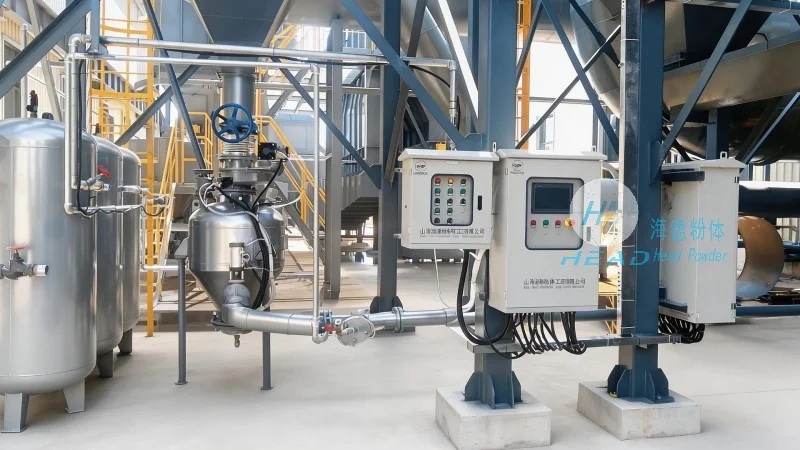
Glass powder is a high-hardness, highly abrasive fine powder material, with particle sizes typically ranging from a few microns to several hundred microns. It is characterized by poor flowability, easy absorption and agglomeration, and a high risk of dust explosions. During conveying, continuous impact is generated on the pipe wall and elbows. If not properly selected, it can easily cause system wear or blockage, so there are high requirements for the sealing, wear resistance, and adaptability of the pneumatic conveying system.
Product Introduction
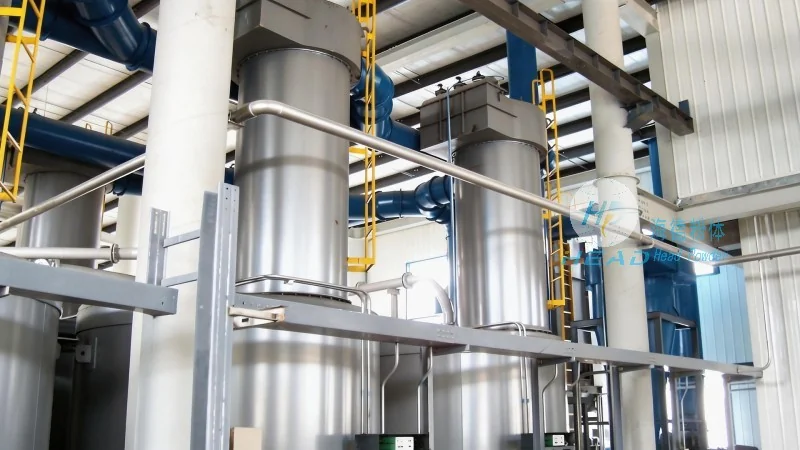
Head Powder offers customized pneumatic conveying solutions and complete conveying system equipment tailored to the special properties of glass powder. The system uses sealed pipeline conveyance, ensuring dust-free flow from the raw material silo to downstream workstations; Flexible selection of positive pressure dense phase, negative pressure dilute phase, or combined conveying modes based on customer site conditions, equipped with dedicated wear-resistant elbows, anti-blockage and arch breakage devices, and intelligent control systems to achieve stable, efficient, and low-loss material transfer.
Product advantages
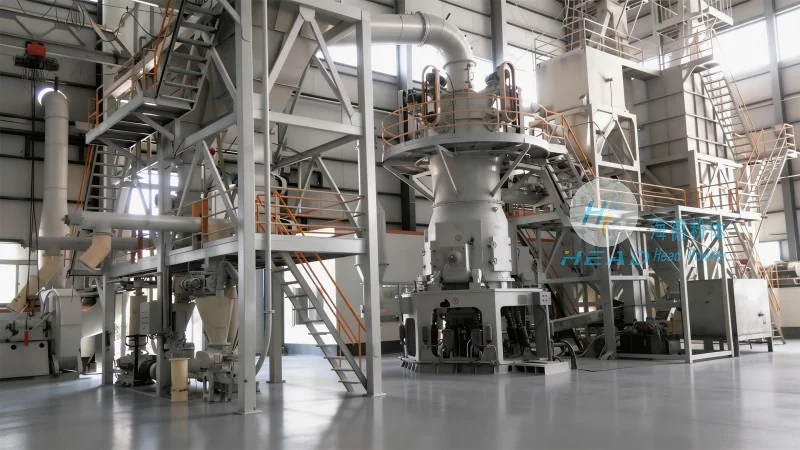
To address customer pain points, Head Powder offers the following solutions: using fully enclosed negative or positive pressure systems to fully eliminate dust spillage; The inner walls of the pipelines are treated for wear resistance and the elbow curvature is optimized, significantly extending equipment lifespan; Built-in arch breaking and fluidization devices effectively prevent material clumping and blockages; Paired with a PLC automatic control system, it monitors conveying pressure, air volume, and material level in real time, enabling unattended operation. Ultimately, it helps users reduce maintenance frequency, increase continuous production line operating time, and improve the workshop environment.