

Pneumatic conveying solution for non-dairy creamer
Non-dairy creamer enterprises often face challenges such as dust pollution, material clumping, and low conveying efficiency during production. Traditional mechanical conveying methods tend to generate dust, affecting the workshop environment and employee health; After absorbing moisture, non-dairy creamer easily adheres to the inner walls of pipes, causing blockages and material loss; In addition, manual handling or semi-automated conveying struggles to meet the demands of continuous production, limiting capacity growth.
Material characteristics
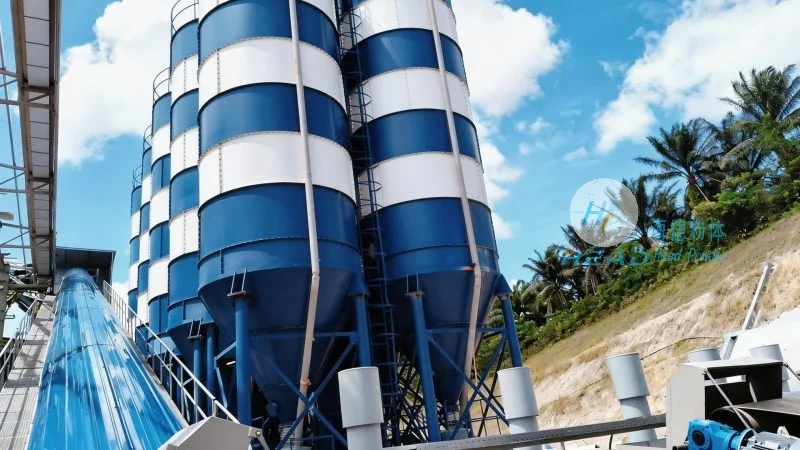
Non-dairy creamer is a high-fat, high-sugar powdered food ingredient characterized by: fine particle size (usually between 80-200 mesh) and poor flowability; Prone to moisture absorption and clumping, sensitive to temperature and humidity; Contains regular grease, which easily generates static electricity after friction; Strict hygiene requirements must be avoided, including contamination of metal foreign objects and microbial contamination. These characteristics place high demands on the conveying system's sealing, moisture resistance, and materials.
Product Introduction
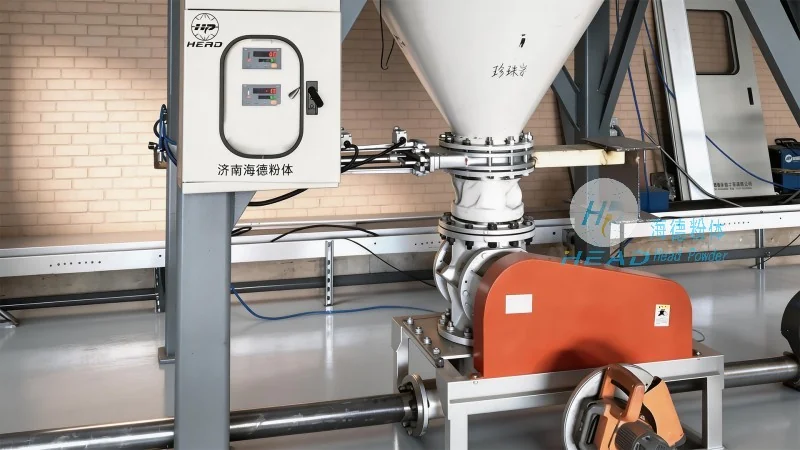
Head Powder addresses the difficulties of conveying non-dairy creamer by providing customized pneumatic conveying system equipment. This system uses sealed pipelines under positive or negative pressure to steadily transport non-dairy creamer from the storage silo to downstream equipment such as packaging machines and mixers. Core components include: rotary feeder, silo top dust collector, dehumidification air source treatment unit, PLC automatic control system, and stainless steel pipelines. The system can be modularly designed according to customers' production capacity, workshop layout, and process requirements, helping materials maintain their original quality during conveying.
Product advantages
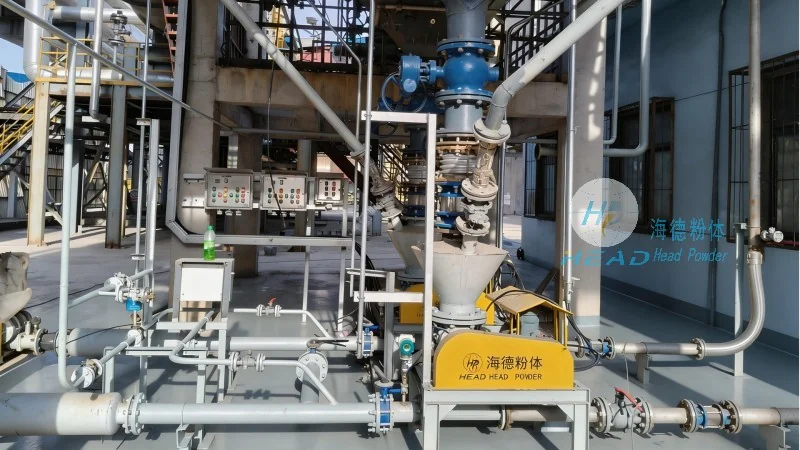
To address these pain points, the Head Powder Non-dairy Creamer Pneumatic Conveying System offers the following solutions: sealed pipelines to prevent dust leakage and improve the working environment; Equipped with dehumidification and insulation components to effectively prevent material caking; Low-speed, anti-static feeders are used to reduce material damage and adhesion; The intelligent control system enables relatively accurate measurement and automatic start/stop, reducing manual operational errors; The inner wall of the pipe is polished for easy cleaning and meets food-grade hygiene standards. The overall system energy consumption is reduced by more than 30% compared to traditional mechanical conveying, and it also supports remote monitoring and fault warning, helping enterprises improve production efficiency and product consistency.