

Example of a complete anti-static sealed nano powder in Qujing, Yunnan
A nano powder manufacturer in Qujing, Yunnan, faced challenges such as powder static electricity accumulation and dust leakage during production, seriously affecting production safety and product quality. To address this condition, a company custom-built a nano powder anti-static sealed treatment system for them, successfully achieving a safe, efficient, and clean production environment.
Case Summary
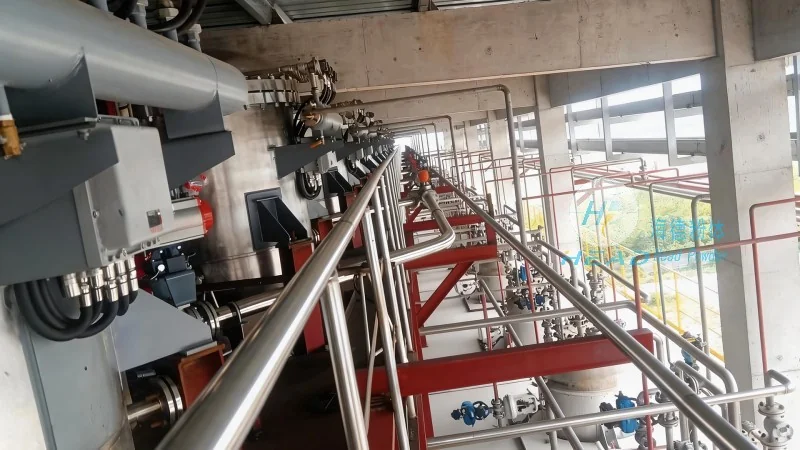
This customer is located in Qujing, Yunnan, specializing in the processing and production of nano-scale powder materials. During powder transportation, mixing, and packaging, due to the extremely small particle size and large specific surface area of nano powders, static electricity is easily generated. This not only causes materials to adhere to the inner walls of equipment and affects yield, but also poses safety risks caused by electrostatic discharge and dust explosions. At the same time, the current equipment's insufficient sealing allowed fine powder to escape, polluting the workshop environment and posing a threat to employee health.
Customer pain points
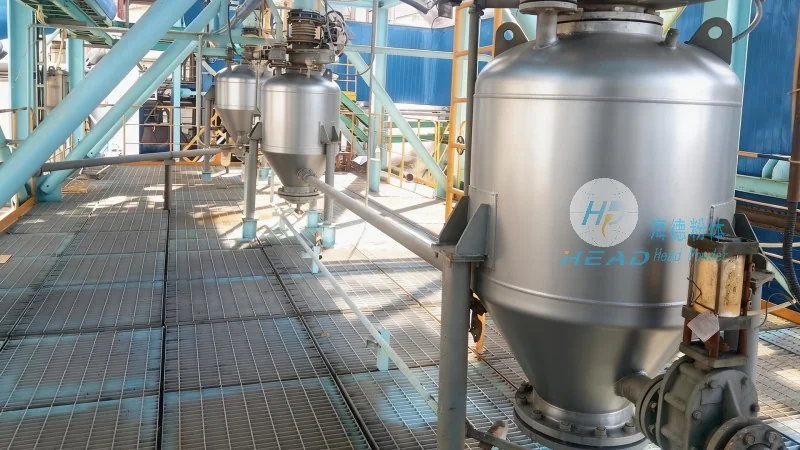
- During processing, nanopowders accumulate severely with static electricity, causing frequent adsorption and wall hanging inside the equipment, making cleaning difficult and affecting production capacity;
- Dust leakage leads to excessive air quality in the workshop, failing to meet environmental protection and occupational health requirements;
- Existing explosion-proof and anti-static measures are inadequate, posing safety hazards;
- The equipment operates with high noise, poor sealing, and high material loss.
Product advantages and solutions
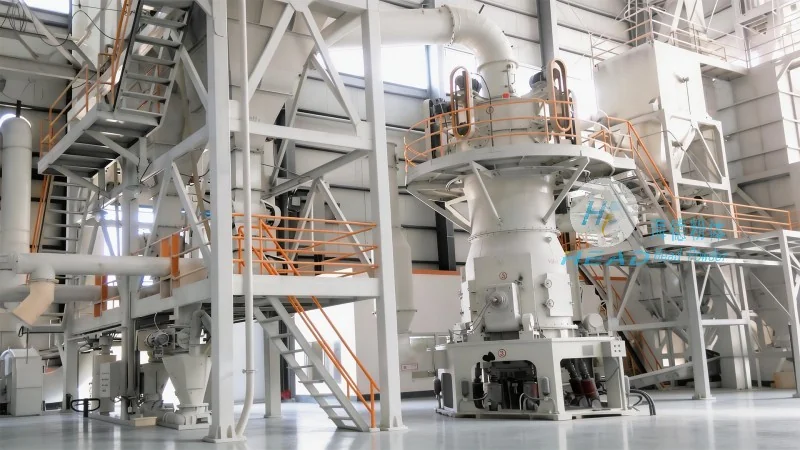
To address these pain points, a company adopted a modular anti-static sealed complete system, achieving full-process control from source to end. The specific advantages are as follows:
- Anti-static design: All pipelines, silos, and valve bodies in contact with powder are made of conductive materials and equipped with reliable grounding to effectively conduct static electricity and prevent static buildup;
- High-grade sealed structure: Equipment interfaces use multiple sealing gaskets and airtight door design, with overall system leakage rates below industry standards to prevent dust escape;
- Intelligent control and safety redundancy: Integrated pressure monitoring, static discharge alarm, and automatic spray explosion suppression device for rapid response in abnormal conditions;
- Modular integration: Combines functional units such as conveying, screening, weighing, and packaging into integrated skid-mounted equipment, reducing on-site installation workload and facilitating maintenance and modification.
Through the implementation of this system, the risk of static electricity incidents on the customer's production line has dropped to zero, workshop dust concentration has remained within safety limits, material recovery rates have increased by about 5%, and overall energy consumption has dropped by 12%, achieving multiple benefits of safety, environmental protection, and economy.