

Pneumatic lithium carbonate powder conveying solution
During the production and processing of lithium carbonate powder, enterprises often face issues such as material dust, low conveying efficiency, pipeline blockages, and environmental pollution. Traditional mechanical conveying methods not only experience severe equipment wear but also struggle to achieve automated continuous feeding, leading to increased production costs. How to achieve sealed, dust-free, and efficient powder transport has become a key demand within the industry.
Material characteristics: Key attributes of lithium carbonate powder
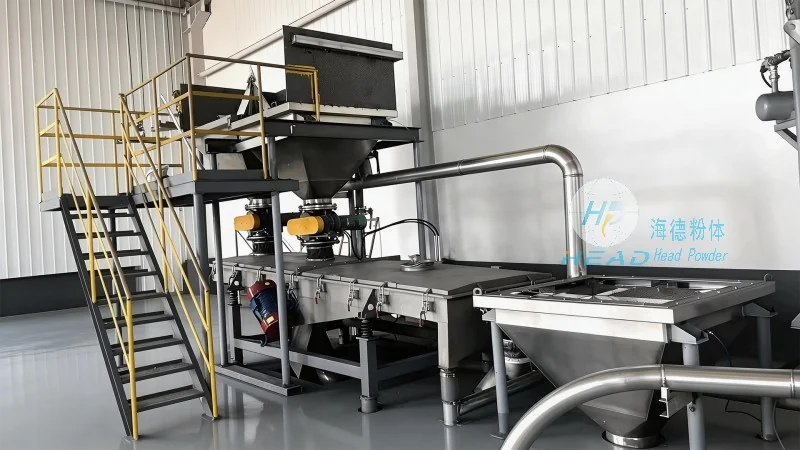
Lithium carbonate powder features fine particle size, low density, easy lifting, and strong hygroscopicity. Its particle shape is irregular, prone to static adsorption during conveying, and is sensitive to humidity. These characteristics require the conveying system to have good sealing, moisture resistance, and stable airflow control technology to prevent material caking or pipeline deposition.
Product Introduction: Head Powder Lithium Carbonate Pneumatic Conveying System
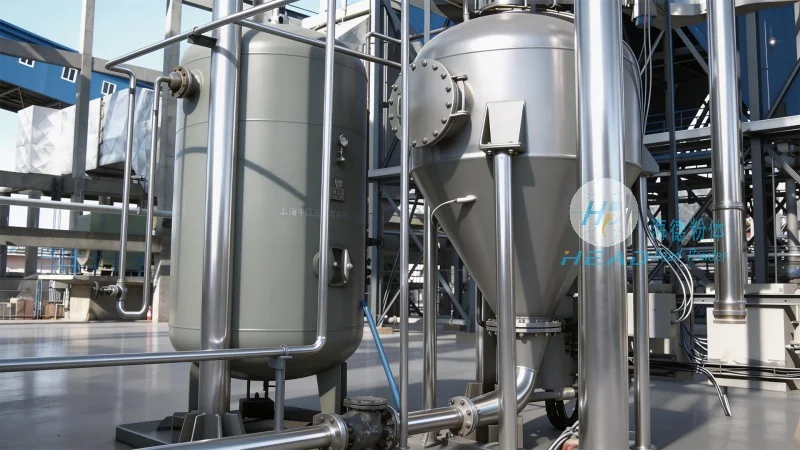
Head Powder specializes in the custom design and equipment supply of pneumatic conveying solutions for lithium carbonate powder. The system uses sealed pipeline conveying, utilizing compressed air or inert gas as the power source to efficiently transport lithium carbonate powder from the feeding point to the workstation. The equipment includes feeding devices, conveying pipelines, pneumatic separators, dust collectors, and intelligent control systems, capable of adapting to different conveying distances and capacity requirements. The system adopts a modular design that supports flexible expansion, meeting various scenarios from small laboratory batches to large-scale industrial production.
Product Advantages: Targeted solutions to customer pain points
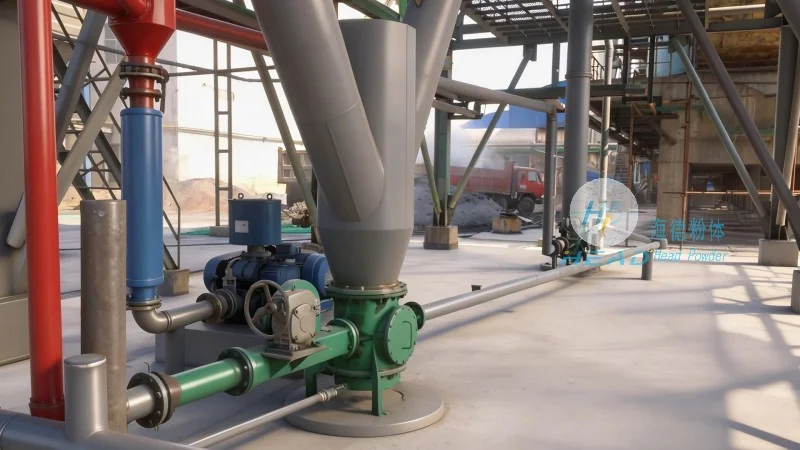
To address the pain points of lithium carbonate powder being prone to dust generation and clogging, the Head powder pneumatic conveying system achieves fully enclosed operation, fundamentally suppressing dust leakage and improving the working environment. The system is equipped with adjustable airflow speed and pressure control devices to effectively prevent material deposition and pipeline blockages. At the same time, the intelligent monitoring system can provide real-time feedback on the conveying status, reducing manual intervention and improving operational stability. Compared to mechanical conveying, the system consumes less energy, reduces maintenance costs, and supports linkage with upstream and downstream equipment to achieve automated production processes.