

Pneumatic conveying solution for zirconia powder
Many enterprises face issues such as material agglomeration, severe pipeline wear, and dust emissions causing environmental pollution during the transportation of zirconia powder. Traditional mechanical conveying methods are not only inefficient but also prone to powder fragmentation and component segregation, seriously affecting the stability of subsequent processes and product quality. In addition, manual operation carries safety risks and struggles to meet the demands of continuous, automated production.
Material characteristics
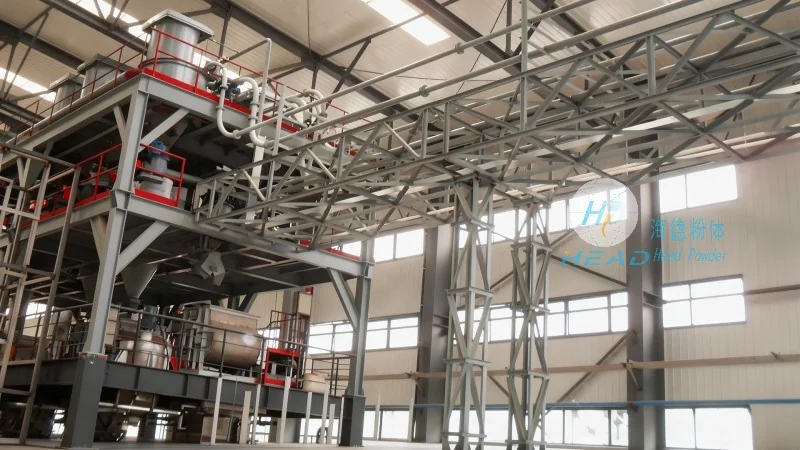
Zirconia powder features high hardness, high density, fine particles, and a tendency to generate static electricity. It has poor flowability, easily causes blockages or bridging during conveying, and is highly abrasive, requiring higher material quality for conveying equipment. Powders are sensitive to humidity and tend to clump more easily after absorbing moisture, thus requiring higher sealing and drying properties in the conveying system.
Product Introduction
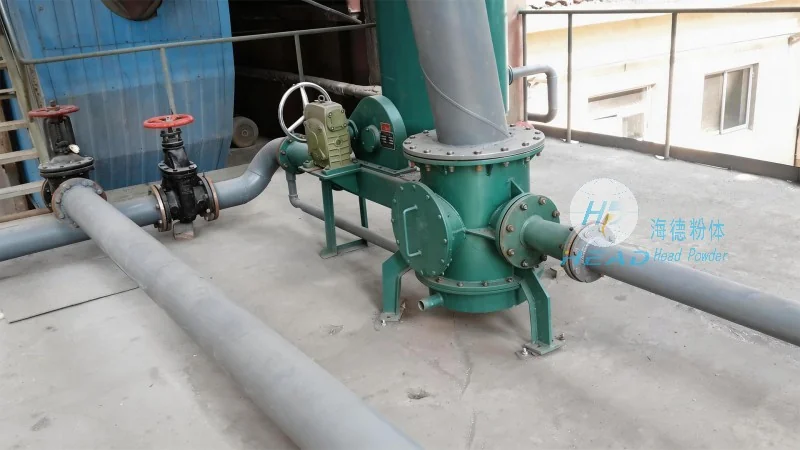
Head Powder has developed a customized pneumatic conveying system tailored to the special physical properties of zirconia powder. This system uses positive or negative pressure dense phase conveying methods, combined with fluidized beds, bent pipe wear treatment, and intelligent control systems, improving issues such as pipe blockage, wear, and dust during zirconia powder transportation. Equipment materials are selected with wear-resistant alloys or ceramic linings to extend service life; The sealing design helps prevent leaks and meets environmental protection requirements.
Product advantages
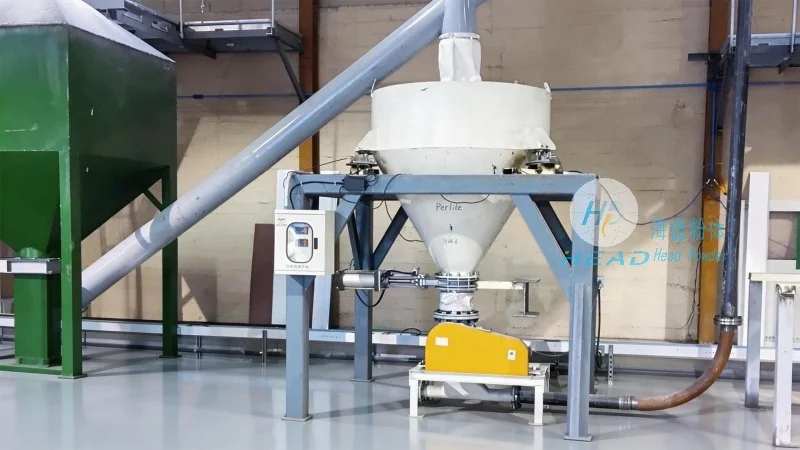
To address customer pain points, Head Powder offers the following solutions: First, improving powder fluidity through fluidized airflow technology to avoid bridging and blockages; Second, wear-resistant elbows and pipeline inner wall treatments are used to reduce wear and extend equipment maintenance cycles; Third, a fully enclosed pipeline system combined with pulse dust removal achieves dust-free operations and supports employee health; Fourth, integrated automation control supports remote monitoring and multi-point accurate batching, improving overall production efficiency.