

PAC particle pneumatic conveying solution
During the conveying of PAC (polyaluminum chloride) pellets, many companies face practical issues such as material blockages, dust emissions, inaccurate measurements, and frequent equipment maintenance. Traditional conveying methods not only reduce production efficiency but also increase manual cleaning costs and environmental management pressure, urgently requiring a more stable, cleaner, and more accurate solution.
Material characteristics
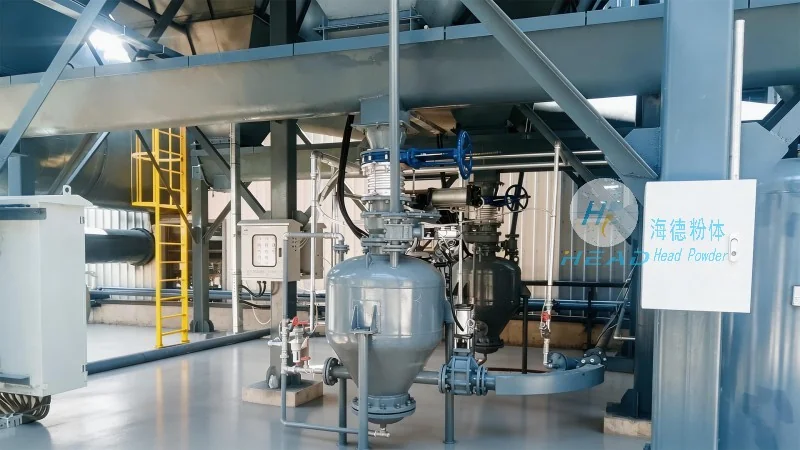
PAC particles are highly hygroscopic, prone to moisture agglomeration, and generally corrosive to metals. The particle size distribution is wide and flowability is poor, making it prone to bridging and wall adhesion during conveying. These characteristics require the conveying system to have good sealing, corrosion resistance, and anti-clogging design to facilitate long-term smooth operation.
Product Introduction
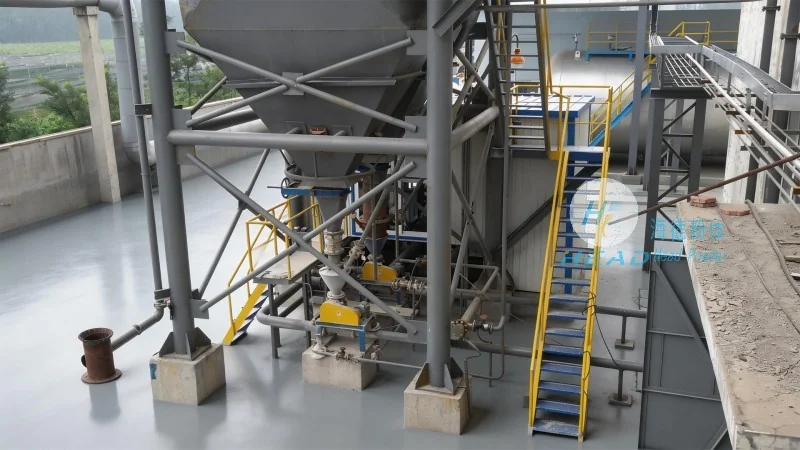
The PAC particle pneumatic conveying system provided by Head Powder uses sealed pipeline conveying methods of positive or negative pressure, combined with automated control technology, achieving fully enclosed operations from feeding and conveying to the finish line. The system can be customized according to customer site conditions, compatible with various conveying distances and capacity requirements, effectively reducing material loss and environmental pollution.
Product advantages
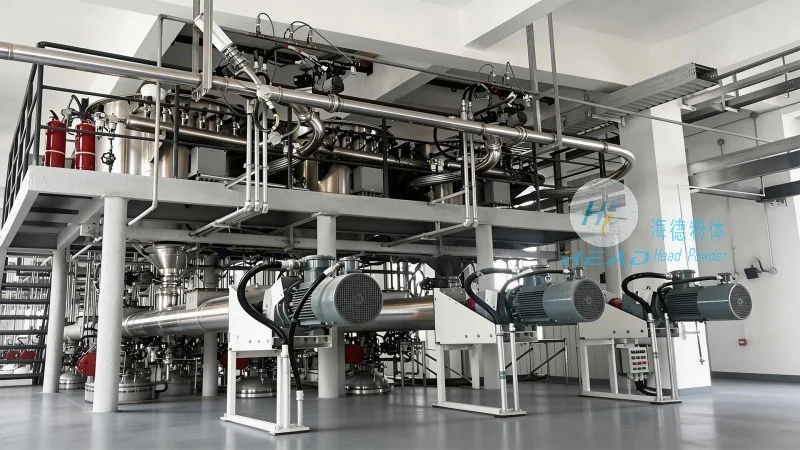
To address the pain points in PAC pellet transportation, Head Powder focused on solving the following issues in system design: First, by optimizing pipeline routing and air source adjustment, material blockage was avoided; Second, it adopts a fully sealed structure to prevent dust leakage from the source; Third, it is equipped with high-precision flow control and weighing modules, which help ensure stable and reliable feeding and metering; Fourth, use corrosion-resistant materials and easy-to-disassemble structures to reduce maintenance frequency and costs. The comprehensive solution helps customers improve line continuity, improve working environments, and reduce overall operating costs.